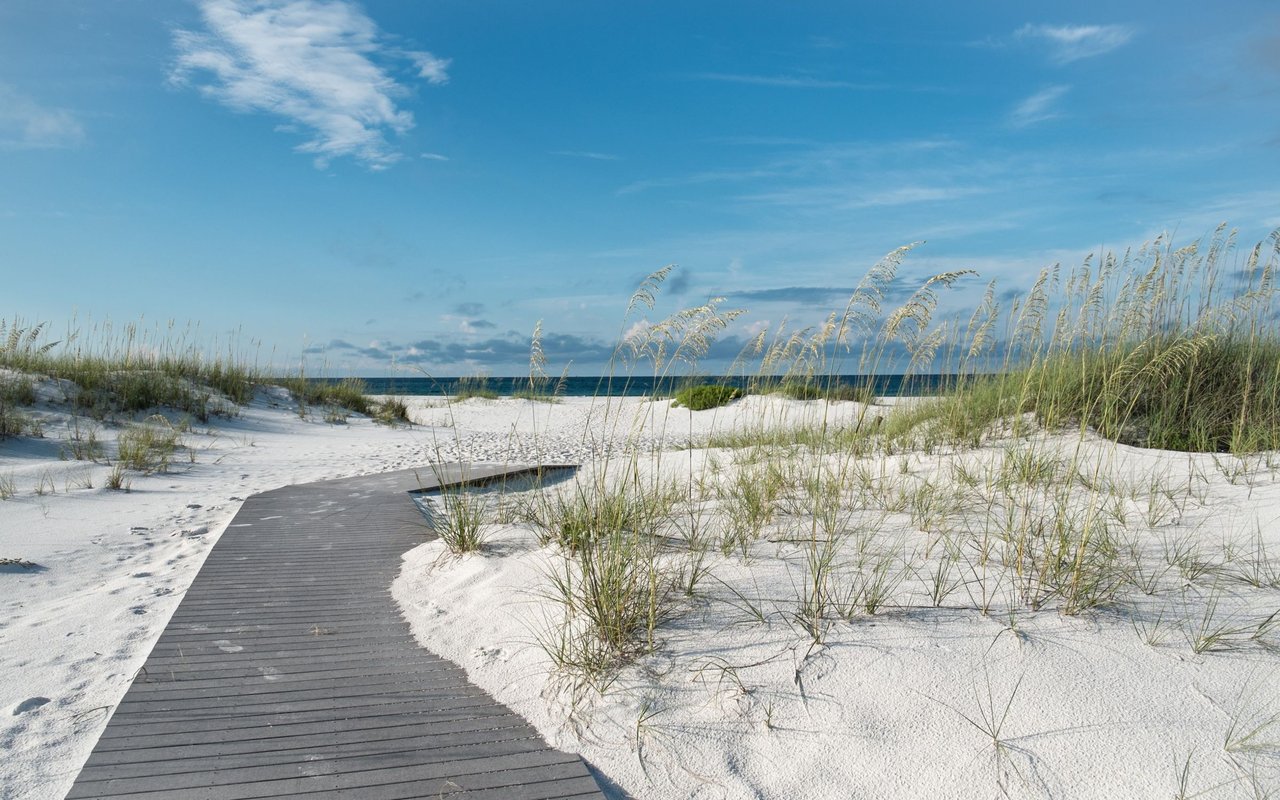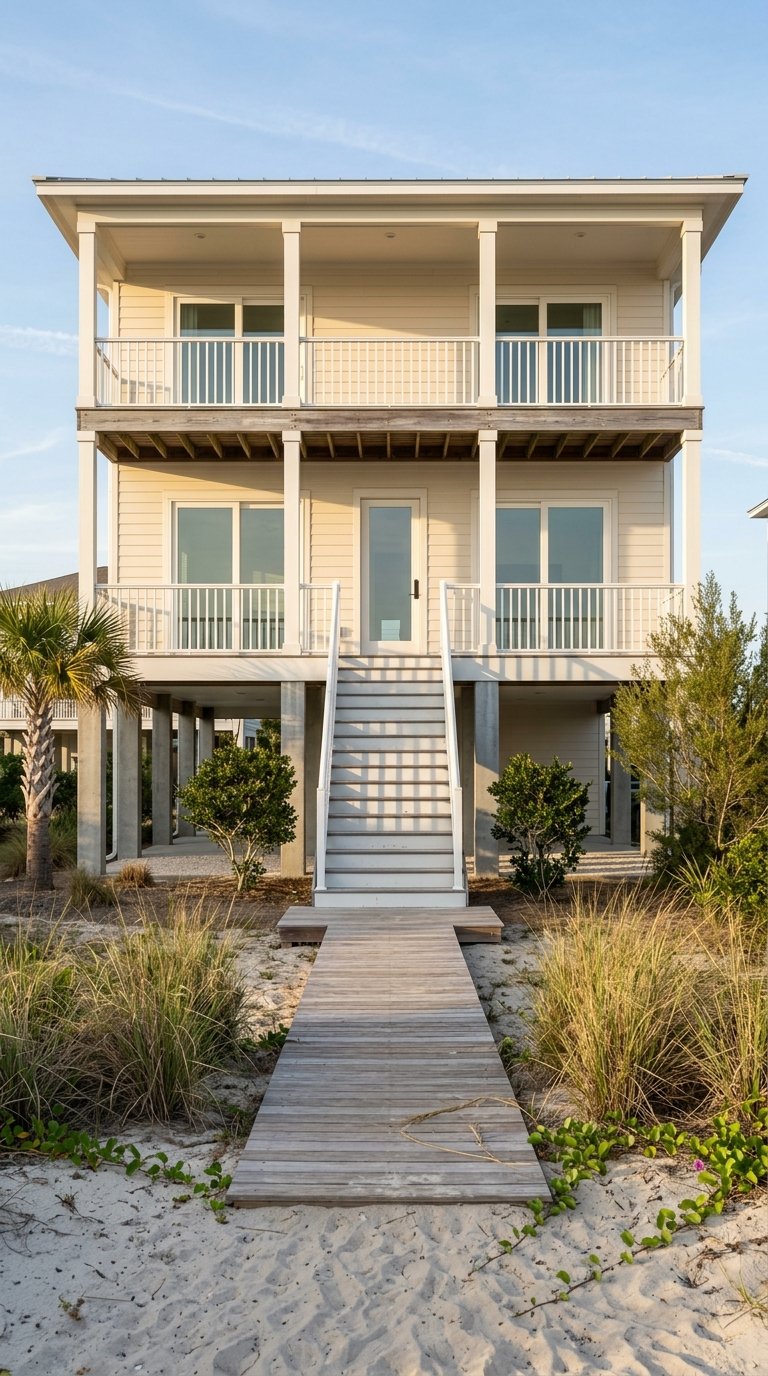
If you picture Gulf Coast homeownership as crowds, towers, and packed entertainment districts, St. George Island will feel very different. This is a barrier island where the pace is slower, the scenery does more of the talking, and daily life often revolves around the beach, the weather, and the water. If you are wondering what it is actually like to own here, this guide will walk you through the lifestyle, the seasonal rhythm, and the practical side of calling St. George Island home. Let’s dive in.
St. George Island lifestyle
St. George Island is a barrier island that stretches more than 20 miles, with bridge access from Eastpoint. It is known for uncrowded white-sand beaches, low-rise surroundings, and a more natural setting than many larger Florida beach markets. If you want a beach-first lifestyle with a lighter commercial footprint, that is a big part of the appeal.
The island also fits into the broader Franklin County character, which feels rural and conservation-focused. That setting shapes the ownership experience in a real way. You are not buying into a high-energy resort strip. You are choosing a place where outdoor time, open space, and a quieter rhythm matter.
For many owners, that is exactly the point. St. George Island is better suited to buyers who want low-density coastal living than buyers who want constant nightlife, large retail centers, or a packed calendar of attractions.
A market shaped by second homes
The housing profile helps explain why ownership on St. George Island feels different from a typical full-time residential market. Census Reporter data shows 1,884 housing units and 557 households, with only about 29.6% of housing units occupied and about 70.4% vacant. That pattern lines up with a seasonal, second-home-oriented market.
The same profile reports a population of 1,133, a median age of 60.8, a median household income of $137,899, and a median owner-occupied home value of $693,000. Those figures suggest a market with a meaningful share of established owners, second-home buyers, and households choosing the island for lifestyle reasons as much as convenience.
If you are buying here, it helps to think beyond the usual primary-home checklist. On St. George Island, many owners are balancing personal use, seasonal enjoyment, and in some cases rental potential depending on the property and neighborhood.
What daily life feels like
Daily life on St. George Island is compact and locally oriented. Dining options range from coastal cuisine and pub fare to barbecue, pizza, steaks, and sweet treats. Shopping tends to focus on small businesses offering art, gifts, beachwear, and surf gear rather than big-box retail.
That means your day-to-day routine can feel simpler and more intentional. Errands are often smaller in scale, and many owners come to enjoy that. The island business mix also includes practical stops like a grocery store, along with local attractions like the lighthouse museum and gift shop.
If you are used to a more built-up beach market, this change can feel refreshing. If you prefer quick access to major shopping districts and a wide range of entertainment at all hours, the island’s quieter setup may feel more limited.
Outdoor living is the main event
Owning on St. George Island means the outdoors are part of everyday life. Visit Florida highlights 17 miles of paved bike paths, which adds another layer to how residents and visitors move around and enjoy the island. A bike ride, a beach walk, or time on the water can easily become part of your normal routine.
Dr. Julian G. Bruce St. George Island State Park adds to that lifestyle in a big way. The park supports swimming, canoeing, kayaking, boating, fishing, hiking, camping, bird-watching, shelling, and stargazing. Amenities include a boat ramp, canoe and kayak launch, picnic pavilion, playground, restrooms, showers, and camping access.
For many owners, this is the value of island living in its clearest form. Your free time is not built around large attractions. It is built around the beach, the bay, the sky, and the weather.
Boating, fishing, and wildlife
The island’s water-oriented lifestyle is one of its biggest draws. Local business listings highlight charter captains for offshore and bay or inshore fishing, shelling trips to nearby islands, and rentals for bikes, kayaks, paddleboards, and golf carts. If you enjoy being on the water, there are many ways to make that part of your ownership experience.
Fishing is also woven into the local identity. Florida State Parks notes offshore fish such as redfish, flounder, and sea trout, while Visit Florida says anglers can fish from the shore, pier, or flats. That gives owners a wide range of options, whether you want a casual morning on the beach or a more planned day on the boat.
Wildlife is a real part of life here too. Dolphins, pelicans, shorebirds, and nesting loggerhead and green sea turtles are part of the island environment. That natural setting is a major reason people buy here, but it also means living with respect for the beach as an ecosystem, not just a backdrop.
The seasons shape ownership
St. George Island does not feel the same year-round, and that is important for owners to understand. Climate normals from nearby Apalachicola Airport show an annual mean temperature of 69.1°F. Winter monthly means are in the mid-50s, while summer monthly means are around 82°F.
Rainfall is part of the picture as well. Annual precipitation averages 53.08 inches, and August is the wettest month at 7.79 inches. In practical terms, late summer often brings more heat, heavier rain, and a greater focus on storm readiness.
Visit Florida also points to a clear seasonal rhythm. Spring and fall tend to bring milder weather and smaller crowds, summer is hotter and busier, and winter is quieter with some amenities more limited. As an owner, that seasonal pattern affects everything from how often you use the home to how you plan maintenance and guest stays.
Storm prep is part of the job
Every coastal homeowner should think about resilience, and that is especially true on a barrier island. The Atlantic hurricane season runs from June 1 through November 30, which makes summer and fall the months when many owners focus more closely on preparedness, insurance, and evacuation planning.
Franklin County is also actively working on resilience measures. County efforts include dune restoration along 11 miles of public beaches and stormwater improvement projects in the island’s commercial district. Those projects are a reminder that coastal ownership includes ongoing attention to infrastructure and environmental conditions.
This does not mean island ownership is a bad fit. It means you should go in with clear eyes. On St. George Island, part of owning well is staying organized, paying attention to the season, and understanding the realities of a coastal property.
Beach safety and changing conditions
Beach access is one of the best parts of living here, but it comes with practical considerations. On the Plantation side of the island, beach conditions can change quickly, and there are no lifeguards on Plantation beaches. Residents and guests are encouraged to check current beach flags before swimming.
That is a useful mindset for all island owners. Water conditions can vary, weather matters, and good beach habits are part of day-to-day coastal living. If you own a home that guests or renters will use, clear communication about beach safety becomes even more important.
Full-time home, second home, or rental use
One of the most distinctive parts of owning on St. George Island is how flexible the ownership experience can be. For some people, it is a full-time home with a slower, more self-directed routine. For others, it is a second home that works as a private retreat for part of the year.
There is also a strong vacation-rental ecosystem in parts of the island. In the Plantation, the owner’s association says many of the nearly 550 homes serve as vacation rentals, and the community maintains resources related to rental agencies, gate access, registered vendors, and disaster preparation. That tells you a lot about how established short-term use is in some island areas.
If you are considering a purchase with rental potential in mind, neighborhood context matters. Not every property serves the same purpose, and your goals should guide what type of home, location, and setup make the most sense for you.
Why buyers choose St. George Island
The clearest reason buyers choose St. George Island is simple: it offers a quieter Gulf Coast experience. Compared with larger beach destinations that lean heavily on shopping, nightlife, entertainment, and major resort activity, this island stays more focused on nature, the beach, and low-rise living.
That difference is not a drawback if it matches what you want. In fact, it is the feature many owners value most. You are buying into open horizons, outdoor recreation, and a community character that feels less commercial than many other Gulf Coast options.
For the right buyer, that tradeoff is easy to understand. You may give up some convenience and variety, but you gain space, calm, and a setting that feels more connected to the coast itself.
Is St. George Island right for you?
St. George Island can be an excellent fit if you want a home that supports beach time, boating, fishing, biking, and a quieter pace. It also makes sense if you value a market where second homes and seasonal use are a normal part of the landscape. For many buyers, that combination creates a kind of ownership experience that is hard to find in busier coastal markets.
It may be a less natural fit if you want constant activity, large shopping areas, or a more urban style of convenience. The island has a real commercial base, but it is modest by design and by character. Knowing that upfront can help you choose with confidence.
If you are weighing a purchase here, the smartest next step is to match your goals to the property and the part of the island that fit you best. If you want local guidance on St. George Island homes, second-home opportunities, or gulf-front property, connect with The Joe Real Estate.
FAQs
What is daily life like for St. George Island homeowners?
- Daily life on St. George Island is usually quieter and more locally oriented, with small-business dining and shopping, beach access, biking, and water-based activities shaping the routine.
What kind of buyer owns a home on St. George Island?
- The housing data suggests St. George Island has a strong second-home and seasonal ownership pattern, with many buyers choosing the island for lifestyle, retreat use, or rental potential depending on the property.
What weather should St. George Island homeowners expect?
- Owners can expect mild winters, warm summers, and an annual average temperature of 69.1°F, with late summer bringing heavier rain and more attention to storm preparedness.
What outdoor activities are available near St. George Island homes?
- Owners have access to activities like swimming, boating, kayaking, fishing, hiking, shelling, bird-watching, biking, and stargazing, especially around Dr. Julian G. Bruce St. George Island State Park.
What should St. George Island homeowners know about storms?
- Because hurricane season runs from June 1 through November 30, homeowners should stay prepared, understand evacuation planning, and keep up with insurance and property readiness.
Can a St. George Island home work as a vacation rental?
- In some parts of the island, vacation rental use is well established, and areas like the Plantation show a strong pattern of homes serving as rental properties alongside personal use.