Trying to choose between an in-town home in Port St. Joe and a beachside property nearby? It is a common question, and the answer usually comes down to how you want to live day to day. If you are weighing walkability, shoreline access, utilities, maintenance, and storm-related planning, this guide will help you compare the tradeoffs with more confidence. Let’s dive in.
In-Town vs Beachside at a Glance
In the Port St. Joe area, “in-town” usually means living close to the historic downtown core, Reid Avenue, St. Joseph Bay, and the city’s everyday services. Gulf County tourism describes downtown Port St. Joe as just one block off Highway 98, with parks, walking trails, playgrounds, and Point South Marina nearby.
“Beachside” usually points buyers toward Cape San Blas or Mexico Beach. Cape San Blas is about a 20-minute drive from Port St. Joe and is known for a more secluded, outdoor-focused setting, while Mexico Beach operates as its own city with separate utilities, rules, and public projects.
Neither option is better for everyone. The right fit depends on whether you want a more town-centered routine or a more shoreline-centered lifestyle.
Choose In-Town for Daily Convenience
If you want shorter trips for errands and an easier day-to-day routine, in-town Port St. Joe has a clear advantage. Reid Avenue is described by Gulf County tourism as a growing shopping district with boutiques, bistros, day spas, and the SaltAir Farmers’ Market on the first and third Saturdays.
That kind of setup can make daily life feel simple. Official tourism listings also point to coffee, shopping, dining, outfitters, the public boat ramp, and parks within a walkable downtown area.
For many buyers, that means less driving and more flexibility. If you like the idea of stepping out for coffee, picking up a few things nearby, or being close to community activity, in-town living often checks those boxes.
What in-town living feels like
In-town Port St. Joe tends to have a more traditional coastal town rhythm. You still get bay access and a coastal setting, but the focus is often on convenience, community amenities, and easier access to services.
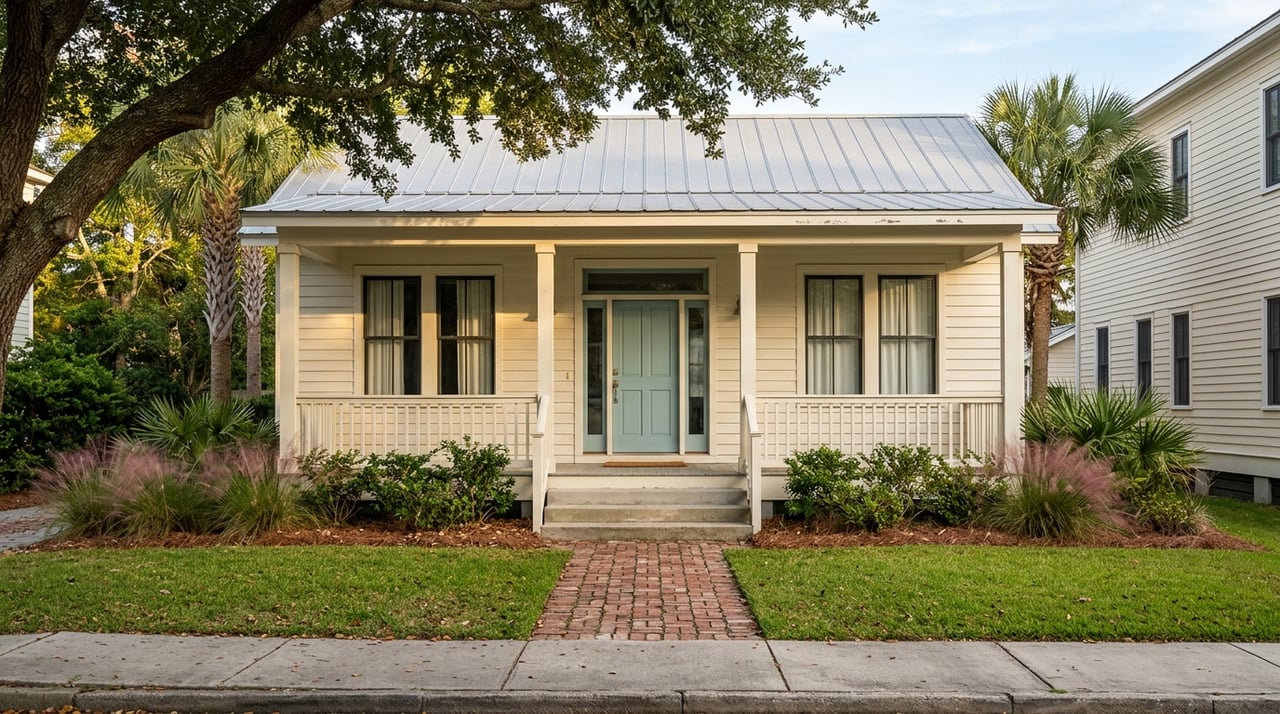
Housing examples from official tourism sources also suggest that in-town homes may include older or more compact cottages near downtown. If you value charm, location, and practicality over a more secluded beach setting, that can be a strong match.
Choose Beachside for Shoreline Access
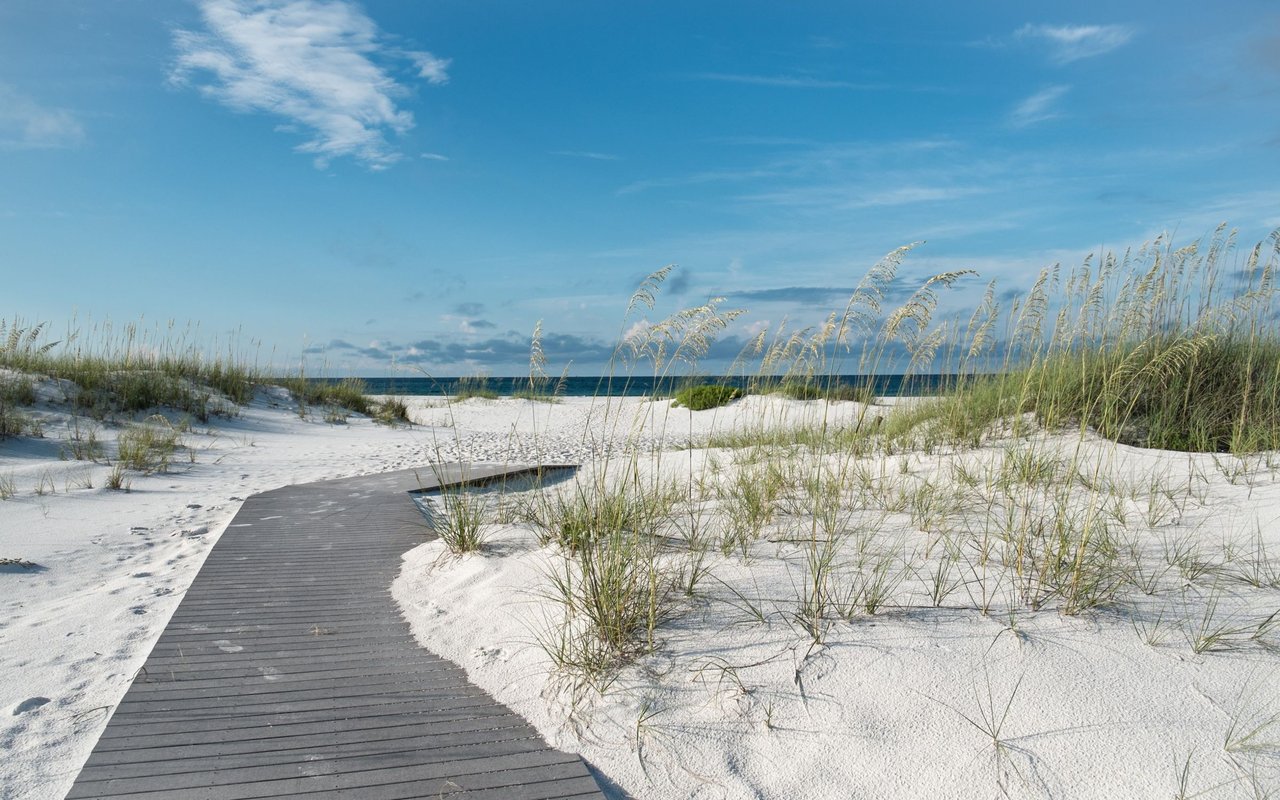
If your top priority is being close to the beach and outdoor recreation, beachside living may feel like the better fit. Cape San Blas is marketed around beach access, shelling, fishing, kayaking, snorkeling, hiking, biking, and long stretches of undeveloped shoreline.
T.H. Stone Memorial St. Joseph Peninsula State Park adds to that appeal with 10 miles of white sandy beaches, nature trails, cabins, a boat ramp, a kayak launch, and wildlife habitat. For buyers who picture mornings on the sand or afternoons on the water, that lifestyle is hard to ignore.
Mexico Beach also offers a beach-first routine, with public beach parking, a canal system, a public boat ramp, and a public pier that is being rebuilt. It feels more managed than Cape San Blas, but still strongly centered on coastal living.
What beachside living feels like
Beachside homes often shift the focus from errands to outdoor use of the property. You may spend more time on decks, porches, or beach access paths, and more of your routine may revolve around weather, water, and visitors.
Official examples also suggest beachside homes tend to emphasize views, decks, and vacation-style layouts. If you want your home to feel like a coastal retreat first and a town home second, beachside may suit you better.
Compare Walkability and Driving
One of the biggest differences is how much you want to drive. In-town Port St. Joe gives you the best shot at a walkable routine, especially if you want shopping, dining, marina access, and local services closer together.
Cape San Blas offers a more peaceful, nature-forward setting, but it is not built around the same kind of concentrated downtown pattern. Since it is about a 20-minute drive from Port St. Joe, simple errands may take more planning.
Mexico Beach sits in the middle in some ways. It has its own city structure and coastal amenities, but it functions separately from Port St. Joe, so buyers should think carefully about where they expect to go most often for everyday needs.
Compare Utilities and Services
Utilities are a major part of this decision, especially in coastal areas where service boundaries can change by address. Port St. Joe has the most straightforward municipal setup for many buyers who want city convenience.
The city provides water, wastewater, and garbage service within city limits. It also provides some water and wastewater service to nearby areas, including wastewater to parts of Cape San Blas, which means service should always be confirmed property by property.
Mexico Beach has a different system. The city says it receives water and wastewater service from Bay County and charges a minimum monthly bill that includes water, sewer, sanitation, and a utility tax.
Cape San Blas calls for even more address-level review. Gulf County’s Water Department posts Cape San Blas boil-water notices, which is a good reminder that water source, wastewater setup, and service details can vary in the coastal zone.
Medical and civic access
Port St. Joe also has an advantage for buyers who want quicker access to medical services. Ascension Sacred Heart Gulf in Port St. Joe provides primary care, specialty care, imaging, lab services, rehabilitation, surgical services, and 24/7 emergency care.
That may not be the deciding factor for every buyer, but it can matter if you want to stay close to health services and other civic infrastructure. For some households, that peace of mind carries real weight.
Compare Maintenance and Coastal Exposure
Beachside ownership often comes with more ongoing coastal considerations. FEMA’s coastal construction guidance notes that the most hazardous coastal areas can be subject to erosion, scour, and extreme flood loads, which is why open, deeply embedded foundations such as piles or columns are often used.
Florida’s coastal construction provisions also require elevated construction in coastal high-hazard areas and Coastal A Zones. In practical terms, beachside homes are more likely to be shaped by elevation, foundation, and exterior durability requirements.
That does not mean in-town homes are free from flood planning. FEMA flood maps and the City of Port St. Joe’s GIS resources show that flood and evacuation planning are location-specific issues throughout the area, not just on the beach.
Cape San Blas and shoreline change
Cape San Blas has a documented erosion history that buyers should take seriously. Gulf County’s Local Mitigation Strategy reports severe beach erosion, road washouts, damaged homes, and recurring erosion concerns on the peninsula.
That history does not automatically rule out a beachside purchase. It does mean you should think beyond the view and ask how comfortable you are with shoreline change, exterior upkeep, and the realities of coastal resilience.
Mexico Beach rules and projects
Mexico Beach also reflects a more actively managed coastal environment. The city lists ongoing projects such as pier rebuild work, jetty rebuild, dune walkovers, stormwater management, lift-station work, and beach renourishment.
The city’s beach rules also show tighter controls than a downtown setting. These include protections around dunes and vegetation, along with restrictions on vehicles, animals, fires, and overnight camping on the beach.
Compare Home Style and Property Fit
The home itself may help make your decision easier. In-town Port St. Joe often appeals to buyers who like cottages, compact layouts, and homes close to downtown activity and the bay.
Beachside properties often attract buyers who want decks, outdoor living space, and stronger ties to views or shoreline access. Official tourism examples support that contrast, with downtown cottages on one side and renovated beach-oriented homes with Gulf and bay views on the other.
If you want your property to support a casual, service-oriented routine, in-town homes may feel more natural. If you want the home to revolve around the outdoors, guests, and water access, beachside homes usually lean that direction.
Questions to Ask Before You Decide
Before you buy, it helps to get specific about your routine and comfort level. A few questions can quickly narrow the field:
- How often do you want to drive for groceries, dining, or errands?
- Do you want beach access close at hand, or are you fine driving to it?
- How important is walkability near downtown Port St. Joe?
- Are you comfortable with more coastal maintenance and flood-zone review?
- Do you want a simpler city utility setup, or are you open to a more variable service picture?
- Will you use the property more as an everyday home, a second home, or a vacation-oriented retreat?
Your answers usually point in a clear direction. Most buyers are not really choosing between two houses. They are choosing between two very different daily experiences.
The Best Choice Depends on Your Routine
In-town Port St. Joe is often the better fit if you want a walkable, service-oriented lifestyle with easier access to downtown, municipal utilities, and medical care. It offers a coastal setting, but the daily rhythm feels more grounded in town life.
Beachside living in Cape San Blas or Mexico Beach is often the stronger fit if you want shoreline access, outdoor recreation, and a more immersive coastal environment. That lifestyle can be rewarding, but it also calls for closer attention to rules, utilities, flood mapping, and long-term maintenance.
If you are still deciding, the smartest next step is to compare a few homes in each setting and evaluate how each location would actually support your routine. For local guidance that balances lifestyle with real-world property details, connect with The Joe Real Estate.
FAQs
What is the difference between in-town Port St. Joe and beachside homes?
- In-town Port St. Joe is generally more walkable and service-oriented, while beachside areas like Cape San Blas and Mexico Beach are more focused on shoreline access, outdoor recreation, and a coastal lifestyle.
Is Cape San Blas part of Port St. Joe?
- Cape San Blas is a peninsula associated with the Port St. Joe area, but Gulf County tourism describes it as a distinct destination about a 20-minute drive from Port St. Joe.
Are utilities the same in Port St. Joe, Cape San Blas, and Mexico Beach?
- No. Port St. Joe has its own city utility system, Mexico Beach uses a different city-managed structure with Bay County service, and Cape San Blas utility details can vary by address.
Do beachside homes near Port St. Joe require more maintenance?
- They often can, because coastal homes may face more exposure to flood risk, erosion, elevation requirements, and exterior wear related to shoreline conditions.
Is in-town Port St. Joe better for everyday errands?
- For many buyers, yes. Downtown Port St. Joe has a stronger concentration of shopping, dining, parks, marina access, and other everyday stops within a more connected area.
What should buyers review before choosing a beachside home in Gulf County?
- Buyers should closely review flood-zone mapping, evacuation considerations, utility service details, beach or dune rules, and the property’s overall exposure to coastal conditions.