If you price your St. George Island home too high, you may end up helping other listings look like a better deal. In a slower coastal market, that can mean more time on the market, more price reductions, and less buyer urgency than you hoped for. The good news is that smart pricing is not guesswork. When you understand what buyers are comparing, which island-specific features matter most, and how current market conditions are shaping offers, you can list with more confidence. Let’s dive in.
Why pricing matters on St. George Island
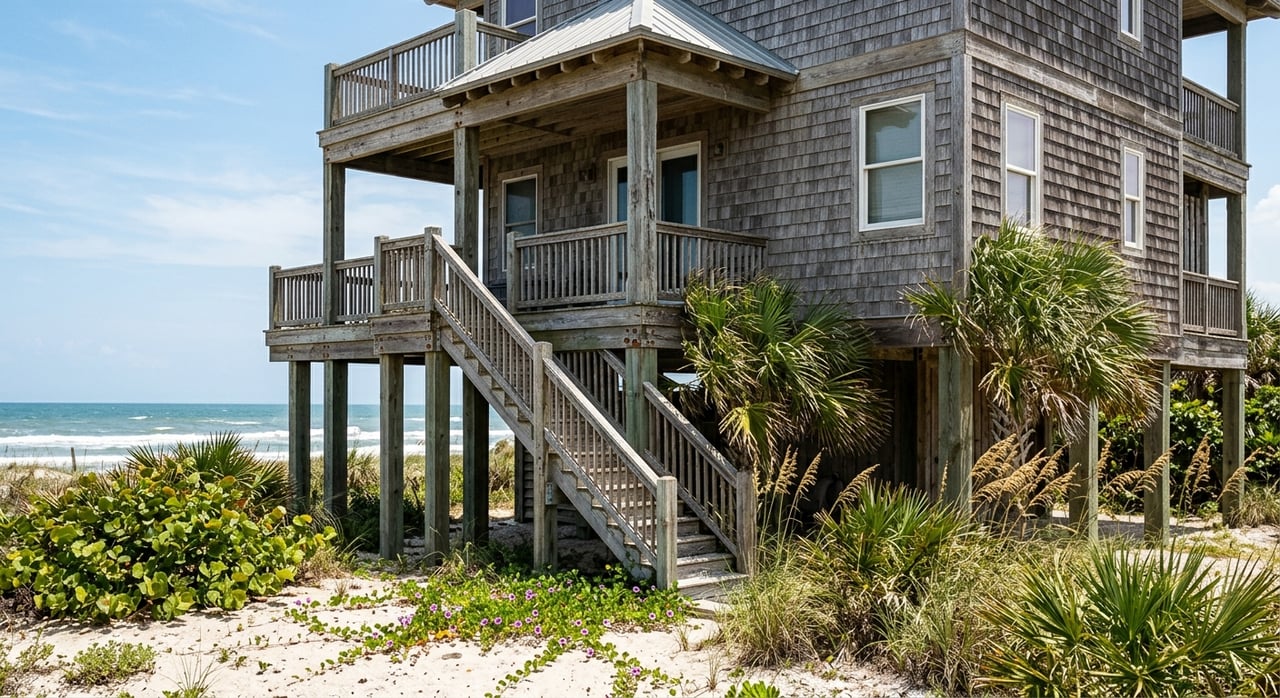
St. George Island is not a typical Franklin County market. It is a 22-mile barrier island with Gulf and bay exposure, beach-oriented housing, and flood-related considerations that can affect how buyers evaluate value and risk. According to the Florida Department of Environmental Protection’s Franklin County coastal guide, the area includes miles of undeveloped beaches, dunes, marshes, and shoreline access that help define the island’s appeal.
That unique setting is one reason broad county averages can miss the mark. While Zillow reports Franklin County’s typical home value at $417,941 as of March 31, 2026, recent St. George Island data is much higher. Realtor.com’s St. George Island market snapshot shows a median home price of $1,199,000 and a median price per square foot of $604.
Today’s market is slower and more price sensitive
If you are selling in today’s market, timing and pricing discipline matter. Realtor.com reports about 200 active listings on St. George Island, a median of 132 days on market, and a median home price down 11.22% year over year.
Redfin shows a similar pattern, even though its time window differs. Its data indicates homes take about 198 days to sell on average, close around 7% below list price, and rarely receive multiple offers. Put simply, buyers have options, and an aggressive list price can work against you.
There is still upside for sellers who price well. Redfin also notes that its hot homes can go pending in around 50 days and sell for about 3% below list. That tells you properly positioned properties can still stand out, even in a slower-moving market.
Start with island-specific comparable sales
The foundation of smart pricing is a comparative market analysis, or CMA. According to Realtor.com’s CMA guidance, the most useful comps are recent sales in the immediate area, ideally within the past three months, with 3 to 5 comparable homes when possible.
That matters even more on St. George Island. A home here should usually be compared to similar island properties, not broad county averages or homes in very different parts of Franklin County. On a market with this much variation in views, access, and coastal exposure, local comps give you a more accurate starting point.
A strong CMA also looks beyond sale price alone. Realtor.com notes that lot size, square footage, age, condition, renovations, and special features all belong in the comparison. The more closely a comp matches your home, the more useful it is for setting a realistic list price.
Condition and updates affect your pricing range
Buyers do not look at your home in a vacuum. They compare it to other listings and recently sold homes, and they often adjust value quickly based on visible condition and expected future costs. The National Association of Realtors consumer guide on home pricing notes that a home’s condition, upgrades, renovations, and needed repairs all influence price.
On St. George Island, condition can carry extra weight because coastal properties often face more wear from salt air, storms, and heavy rain. Buyers may factor in deferred maintenance, roofing age, exterior condition, windows, decking, and other items that could affect near-term expenses. If your home is updated and well maintained, that can support stronger pricing. If it needs work, the market may expect that to be reflected in the list price.
Your timeline also matters. NAR notes that sellers who want to move faster may choose a more competitive ask, while those with more flexibility may start higher. The key is to make that choice with clear eyes and current market data.
Views, access, and location details matter
Not all St. George Island homes compete in the same lane. The island’s geography creates meaningful differences between Gulf-front homes, bay-side homes, beach-access properties, and homes with more limited views or different orientations. The island’s physical setting is part of what drives buyer demand.
Because of that, pricing should account for features such as:
- Gulf frontage
- Bay frontage or bay views
- Walkable beach access
- View corridors
- Privacy or surrounding development pattern
- Lot position and orientation
These are not automatic pricing rules, but they are important comparison points. When buyers are deciding between two coastal homes, those details often shape what they are willing to pay.
Flood zone and elevation can influence value
Flood-related factors are part of pricing on St. George Island. Franklin County’s flood information page explains that flood zone, base flood elevation, and property grade can affect building-height requirements, and the county provides parcel-level flood data and flood-zone verification.
That matters because buyers may look closely at elevation, flood exposure, and possible rebuilding or insurance considerations. A Realtor.com buyer guide also notes that homes in a flood zone require flood insurance. For sellers, this means your home’s pricing strategy should reflect not only its lifestyle appeal, but also the practical factors buyers will review during due diligence.
What a CMA can and cannot tell you
A CMA is one of the best tools for setting a list price, but it is not a guarantee of what your home will sell for. Realtor.com explains that a CMA is based on recently sold similar homes and may also use active or under-contract listings when sold comps are limited.
That makes it a strong pricing framework, especially in a market where buyer demand is shifting. But the final sale price can still be affected by timing, financing terms, contingencies, cash offers, and the uniqueness of the property. On St. George Island, that uniqueness can be especially important because some homes offer features that are hard to replicate.
It is also important to know that a CMA is not the same as an appraisal. The NAR appraisal process guide explains that an appraisal is an independent opinion of value used by a lender to support financing. If your buyer is using a mortgage, the lender will usually require that separate step later in the transaction.
A practical pricing approach for sellers
If you want to price your St. George Island home well in today’s market, focus on a process that balances market evidence with your goals.
Review recent island comps
Look first at recent St. George Island sales that closely match your home in size, condition, age, lot type, and location. If possible, use 3 to 5 strong comparables from the past three months.
Compare current competition
Sold data shows what buyers paid, but active listings show what you are up against right now. In a market with about 200 active listings, your price needs to make sense beside the homes buyers are touring today.
Adjust for your home’s condition
If your home has recent updates, strong maintenance, or standout presentation, those features may support a better price position. If buyers are likely to see upcoming repairs or deferred maintenance, it is wise to account for that early.
Factor in coastal specifics
View quality, beach access, flood zone, elevation, and orientation can all influence buyer perception. On St. George Island, these details are often part of the value conversation from the very first showing.
Match the price to your timeline
If your goal is a faster sale, a sharper asking price may help attract more attention sooner. If you have more flexibility, you may choose a different strategy, but the market still sets the outer limits.
Why overpricing can cost you more
Many sellers worry about leaving money on the table, so it can feel safer to start high and reduce later if needed. In a slower market, that approach can backfire. When homes sit too long, buyers may assume something is wrong or wait to see if the price drops.
Current St. George Island data supports that concern. With longer market times and average sales coming in below list, overpricing can lead to less engagement and weaker negotiating leverage. A realistic launch price often gives you a better chance to capture serious buyer interest while your listing is still fresh.
Price with local insight, not just broad averages
St. George Island remains a premium coastal market, but today’s buyers are paying close attention to value. The strongest pricing strategy is rooted in recent island comps, adjusted for your home’s condition, location details, and flood-related factors, then aligned with your goals and timeline.
If you want help evaluating where your home fits in today’s market, The Joe Real Estate offers local, data-driven guidance tailored to Gulf Coast properties. Whether you are preparing to list now or just weighing your options, a thoughtful pricing conversation can help you move forward with confidence.
FAQs
How should you price a St. George Island home in today’s market?
- Start with recent St. George Island comparable sales, then adjust for condition, views, beach access, flood zone, elevation, and current competition.
Why are Franklin County averages not enough for a St. George Island home?
- Countywide numbers are useful background, but St. George Island home values are much higher and should usually be measured against similar island properties instead.
How many comparable sales should you use to price a St. George Island property?
- A practical target is 3 to 5 recent comparable sales that closely match the home in location, size, condition, and features.
Does a CMA tell you exactly what a St. George Island home will sell for?
- No. A CMA is a pricing estimate based on comparable properties and market conditions, but the final sale price can still vary based on timing, terms, and buyer demand.
How do flood zones affect pricing for a St. George Island home?
- Flood zone, base flood elevation, and related insurance or rebuilding considerations can influence how buyers assess value and monthly ownership costs.