Are you weighing a gulf-front home against a bayside retreat on St. George Island? You are not alone. Buyers often love both the beach energy and the quiet, boat-friendly bay. The right choice comes down to how you want to live, what you value day to day, and how you plan to use the property. In this guide, you’ll learn the true differences in access, views, privacy, maintenance, insurance, rentals, and permitting so you can move forward with clarity. Let’s dive in.
Gulf-front basics on SGI
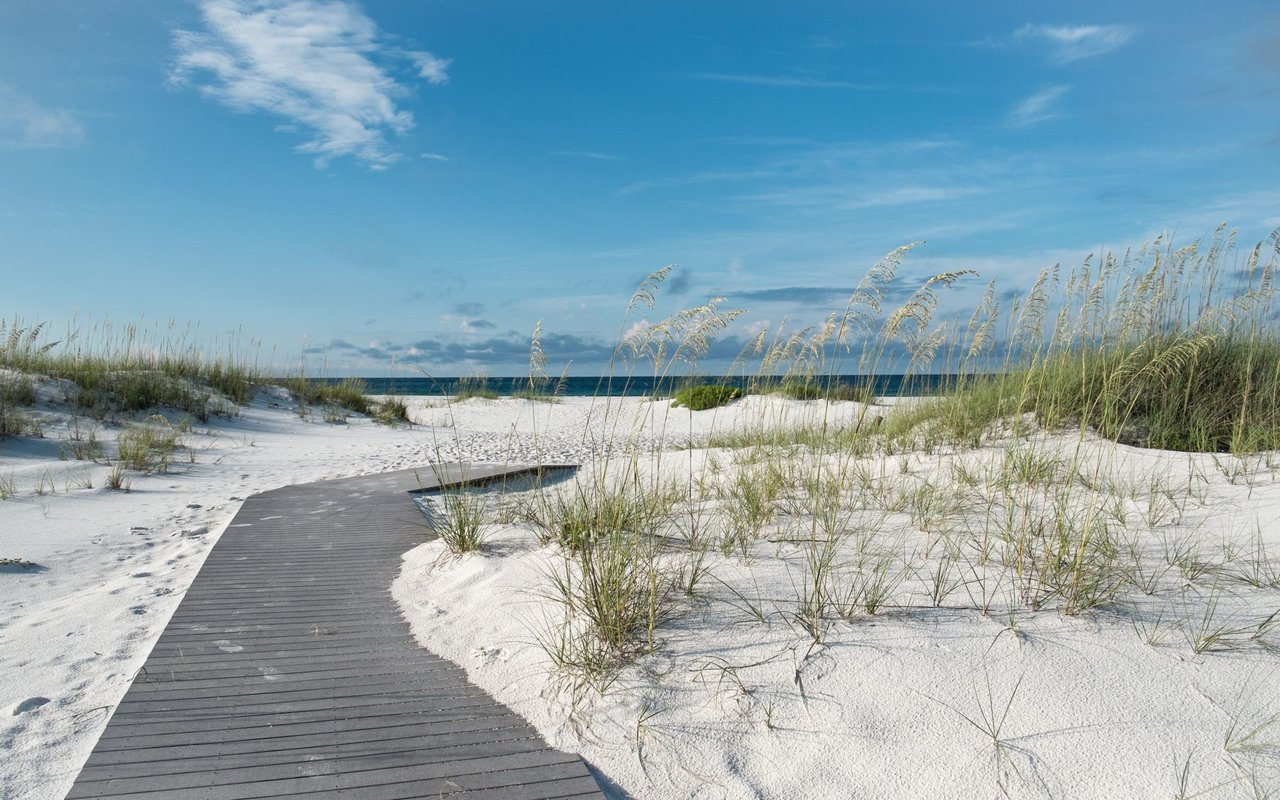
Gulf-front means the property directly borders the Gulf of Mexico with immediate dune and beach frontage. You get unobstructed water views and easy sand access from your lot or boardwalk. Lots generally face south or southwest, so sunsets can be dramatic over the open horizon.
Lifestyle centers on the surf: swimming, beach walks, paddleboarding, and shelling. Keep in mind that Florida’s wet-sand area seaward of the mean high-water line is public, so you may see more people walking the shoreline, especially near public access points or the state park.
Maintenance and resilience are a focus. Gulf-front homes face higher wind and salt spray, which can accelerate corrosion and wear. Plan for hurricane-rated openings, corrosion-resistant materials, and more frequent exterior upkeep.
Bayside basics on SGI
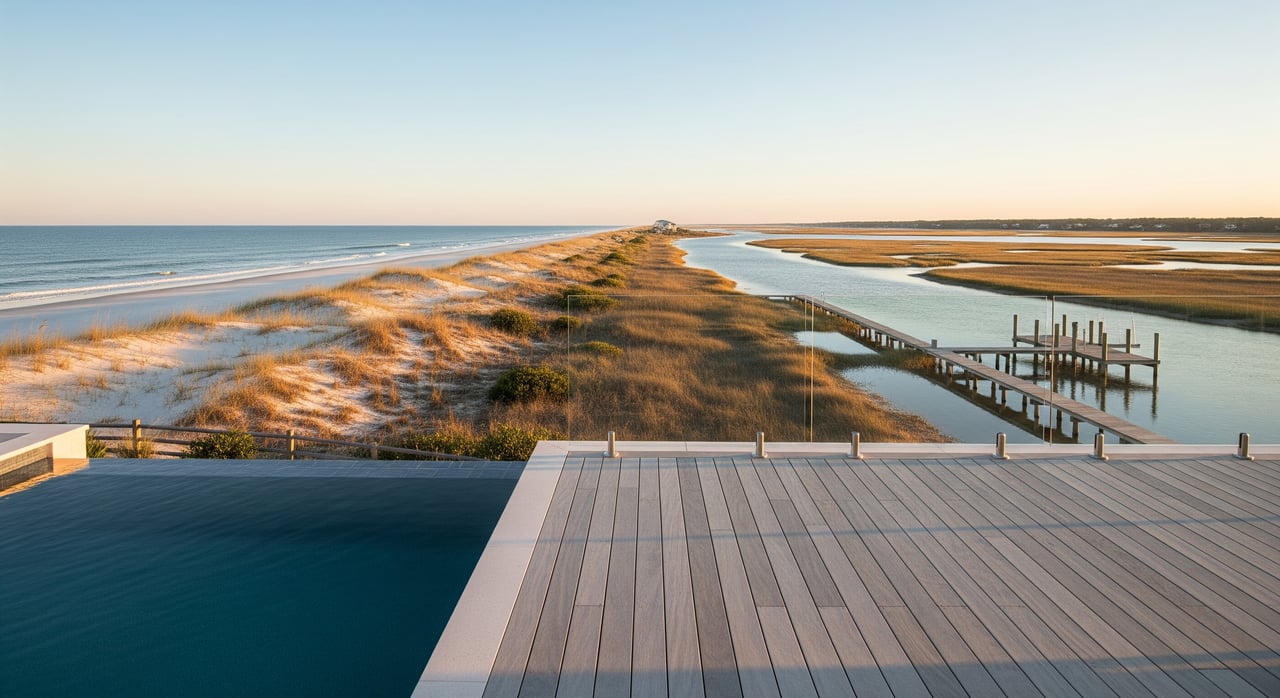
Bayside describes homes that face or overlook Apalachicola Bay. Bayfront means direct water frontage on the bay or a channel, often with dock potential if permitted. The view is quieter and more enclosed, with marsh, shallows, and boat activity. Sunlight can feel softer, and greenery often frames the water.
If boating, fishing, or crabbing is part of your lifestyle, bayside can be ideal. Many bayfront owners pursue docks for quick access, though feasibility depends on depth, marsh conditions, and permits. You are also closer to marina services on the mainland side when you cross the bridge to Eastpoint and Apalachicola.
Maintenance is still coastal, but generally with less direct surf-driven exposure. Humidity and marsh conditions can require attention to wood protection, ventilation, and rot prevention.
“Front” vs “view” and why it matters
Terminology matters for rights, insurance, and value.
- Gulf-front or bayfront: physical adjacency to the water with direct frontage.
- Gulf-view or bay-view: a visible water view without direct frontage.
Frontage may affect legal access, riparian rights, and whether you can build or maintain docks on the bay side. On the gulf side, remember that the wet-sand beach is public. If a listing says “view,” ask what could obstruct it now or in the future, such as new construction or dune vegetation growth.
Prices and rental appeal
On SGI, gulf-front generally commands the highest price per square foot because of direct beach access, unobstructed views, and strong short-term rental demand from beach-focused travelers. Bayfront properties can also earn premiums, especially if a dock with adequate depth is feasible, but they typically trail the top gulf-front pricing for beach renters.
Gulf-view and bay-view usually trade at a discount to true frontage. The size of the premium or discount varies by lot size, construction quality, elevation, amenities, and current supply. For an accurate read, review recent sold comps and county records for the immediate area around your target property.
Rental demand differs by audience. Gulf-front tends to deliver the broadest appeal and highest peak-season rates. Bayside can attract boaters, anglers, birders, and guests seeking a tranquil setting. With the right positioning and dock access, bayside rentals can stay consistent across fishing seasons and shoulder months.
Insurance, flood, and permits
St. George Island is a barrier island, so every property deserves careful risk evaluation. Gulf-front homes are generally more exposed to storm surge and high waves. Bayside homes can still experience significant surge and overwash depending on storm track.
What to check early:
- FEMA Flood Insurance Rate Maps and an elevation certificate for the home’s lowest living floor.
- Preliminary wind and flood insurance quotes from licensed local agents. Gulf-front often carries higher premiums and deductibles.
- Coastal construction rules, including the Florida Coastal Construction Control Line and county setback requirements that may limit additions, dune work, or rebuilds.
- For bayfront, riparian rights and dock permits are not automatic. Verify feasibility with county and state permitting offices before you assume a dock can be built.
- Septic systems are common. Confirm system type, age, and permits with the county health department.
Daily life differences you will feel
- Views and light: Gulf-front offers big-sky horizons and bold sunset potential with its south to southwest exposure. Bayside brings calm water, marsh textures, and reflective color shifts throughout the day.
- Access and crowds: Gulf-front puts the beach at your doorstep but may see more public foot traffic along the wet sand. Near the state park, visitor activity can be higher. Bayside is typically quieter, though boat traffic can pick up in certain channels during peak seasons.
- Recreation: Gulf-front is perfect for surf, sand, and long shoreline walks. Bayside excels for boating, fishing, and easier gear logistics when a dock is in place.
- Maintenance rhythm: Expect faster metal corrosion and finish wear on the gulf. Bayside care leans toward moisture management and wood protection.
Which side fits your goals
Choose gulf-front if you want:
- The signature beach experience with direct sand access and blockbuster views.
- Top-tier rental appeal to beachgoers during peak season.
- A premium property where you accept higher insurance and maintenance.
Choose bayside if you value:
- Boating, fishing, and dock-centric living.
- A quieter, nature-framed setting with softer light and marsh vistas.
- Potentially lower entry prices compared with top gulf-front tiers, depending on dock potential and depth.
A blended strategy can also work. Some buyers prefer a bayside primary or second home for privacy and boating, then add a nearby gulf-view or gulf-front rental to capture beach demand.
Due-diligence checklist for SGI buyers
Use this as a starting point for any property on the island:
- Get a recent survey and verify property lines, easements, and any public beach access paths.
- Check FEMA flood maps and obtain an elevation certificate.
- Request preliminary wind and flood insurance quotes and ask about prior claims history.
- Confirm septic status with the county health department and obtain inspection records.
- Review any HOA covenants, rental rules, and architectural controls.
- Ask for shoreline erosion history and any dune or beach-renourishment reports.
- For bayfront, verify riparian rights and dock or seawall permitting history and feasibility.
- If investing, request documented rental income and speak with local property managers about occupancy and seasonality.
- Evaluate access routes, parking limitations, and proximity to public access points and the state park.
Smart questions to ask before you offer
- Is the property gulf-front, gulf-view, bayfront, or bayside? If it is a view, what could change that view over time?
- What is the FEMA flood zone and lowest living floor elevation? Is there an elevation certificate?
- What are the current wind and flood insurance premiums and deductibles? Any recent claims?
- Is there an HOA? If yes, what are the covenants, rental rules, and architectural standards?
- Are there recorded easements, dune walkovers, or public paths across the lot?
- If bayfront, do recorded riparian rights and depth support the dock you envision? Any outstanding permits or violations?
- For rentals, what are typical rates and occupancy for comparable nearby properties, and can you review documented income?
Work with a local advisor
Every lot on St. George Island is unique. Elevation, shoreline shape, dune position, marsh depth, and access all affect value, risk, and enjoyment. A knowledgeable local team helps you interpret these details, line up insurance and permitting guidance, and compare true apples-to-apples comps.
If you are exploring gulf-front or bayside options, we can help you clarify priorities, tour matched listings, and plan due diligence before you write an offer. Connect with The Joe Real Estate to get tailored guidance, schedule tours, or request a data-backed valuation.
FAQs
Is SGI beach access private for gulf-front buyers?
- No. In Florida, the wet-sand area seaward of the mean high-water line is public. Ownership details and access for the dry sand and dunes vary by lot and recorded easements.
Which side of SGI usually earns higher rental income?
- Gulf-front typically draws broader demand and higher peak-season rates from beachgoers, while bayside performs well with boaters and nature-focused guests when positioned correctly.
Are gulf-front homes more expensive to insure than bayside?
- Generally yes. Gulf-front exposure to wind and waves often increases wind and flood premiums. Always obtain property-specific quotes early.
Can I build a dock on a bayfront lot on SGI?
- Possibly. Dock feasibility depends on water depth, marsh conditions, riparian rights, and permits from county and state agencies. Verify before you buy.
Do SGI neighborhoods limit short-term rentals?
- Some do. Many single-family areas do not have an HOA, but certain subdivisions and condos do. Always review HOA documents and local rules during due diligence.