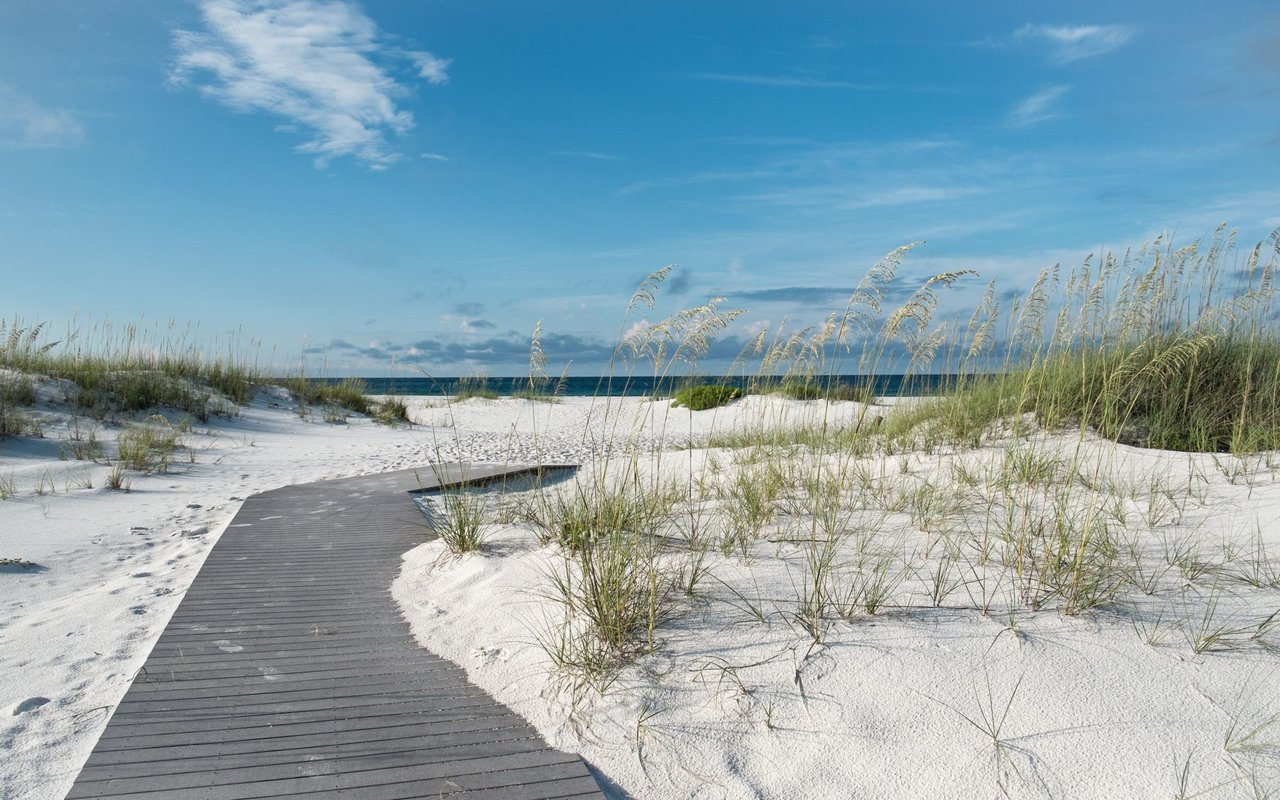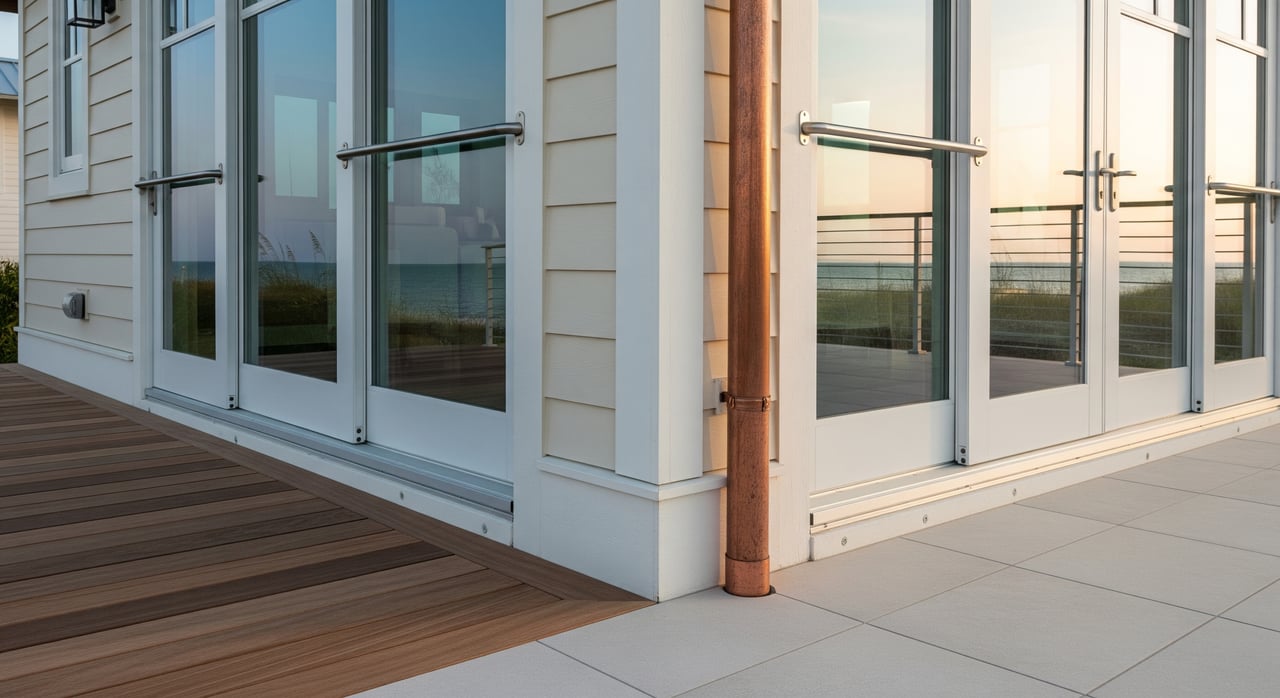
Salt air is tough on homes in Destin. It can chew through coatings, fog window seals, and loosen fasteners. If you are buying or selling on the Gulf, the exterior materials on a home matter as much as the view. In this guide, you will learn which roofs, siding, windows, and hardware stand up to salt, wind, and sun in Destin, how to maintain them, and how smart upgrades can support resale and insurance. Let’s dive in.
Why material choice matters in Destin
Homes along the Gulf face salt spray, high humidity, intense UV, and storm‑driven wind and rain. Salt accelerates corrosion, humidity raises mildew and wood decay risk, and strong sun can break down finishes. Your materials need to fight all of it.
Florida sets clear performance expectations for coastal homes. Review relevant Florida Building Code requirements for wind loads and wind‑borne debris protection, and when in doubt, check with the Okaloosa County Building Division about permits and approvals already on the property. For a deeper look at coastal durability and construction, see the FEMA coastal construction guidance.
Metal roofing that lasts
Metal often outlasts asphalt shingles in marine climates. Aluminum and quality coated steel systems with high‑performance finishes, such as PVDF/Kynar 500, provide strong UV and corrosion resistance. Many metal roofs deliver 40 years or more when properly installed and maintained.
- Best fits for salt air: Aluminum resists marine corrosion very well. Galvalume or coated steel can also perform when coatings remain intact. Avoid mixing dissimilar metals, which can trigger galvanic corrosion.
- Installation that matters: Standing seam systems with concealed clips reduce exposed penetrations and typically perform better in high winds. Proper underlayment, ventilation, and tight edge flashings are critical. See coastal guidance from the Metal Roofing Alliance and National Roofing Contractors Association best practices.
- Maintenance: Rinse off salt residue after storms or every season, and inspect fasteners, seams, and flashings annually. Replace aging neoprene washers and touch up coatings as directed by the manufacturer.
- Resale and insurance: A documented, tested metal roof with a robust finish is a strong selling point in Destin and may help with insurance when carriers recognize rated systems and wind performance.
Fiber‑cement siding in salt air
Fiber‑cement siding is made of cement, sand, and cellulose, and it is a proven performer on the coast. It resists rot, pests, and humidity‑related swelling better than wood, with typical service life ranging from 25 to 50 years depending on exposure, finish, and care.
- Installation keys: Use manufacturer‑approved stainless or hot‑dip galvanized fasteners and compatible flashings. Keep proper clearance from grade and rooflines to avoid splashback and trapped moisture. Review James Hardie coastal installation guidance for specifics.
- Maintenance: Plan on repainting or refreshing high‑quality finishes every 10 to 15 years based on exposure. Re‑seal joints and check flashings during routine inspections.
- Resale impact: Buyers value fiber‑cement for low rot risk and a premium look. Document the brand, finish, and installer to boost confidence.
Impact‑rated windows and doors
Impact windows and doors help resist wind‑borne debris and improve pressure performance during storms. Well‑made units often last 20 to 40 years based on frame material, seals, and hardware.
- What to look for: Verify Florida Product Approval or a Miami‑Dade Notice of Acceptance database listing. Check the design pressure rating and large‑missile test results for coastal applications. Standards from the Window and Door Manufacturers Association are a helpful reference.
- Frames and hardware: Aluminum frames need durable coatings in marine zones. Hardware and anchors should be stainless steel or marine‑grade. Mixed metals can corrode; consistent material choices reduce risk.
- Maintenance: Rinse salt, lubricate moving parts, and watch for insulated glass unit fogging, which signals seal failure.
- Resale and insurance: Impact systems are highly marketable in Florida and, depending on the carrier, may open the door to insurance savings. The Insurance Institute for Business & Home Safety outlines how impact protection reduces storm risk.
The small parts that protect: fasteners and connectors
Fasteners are often the weak link on the coast. Corroded nails and screws can loosen panels and siding, stain finishes, and invite leaks.
- Best materials: Grade 316 stainless steel is preferred for marine exposure. Grade 304 is common but less resistant to chlorides. Hot‑dip galvanized can be acceptable in some uses, though it typically underperforms 316 stainless near salt spray.
- Product‑specific tips:
- Metal roofing: use stainless fasteners or concealed clip systems, and UV‑rated neoprene or butyl washers.
- Fiber‑cement: follow the manufacturer’s fastener specs, often stainless screws of the right size and penetration.
- Windows and doors: use stainless anchors and hardware, and avoid mixing metals.
- Inspection cues: Look for rust staining at fasteners or flashings. That is an early warning to act before larger failures occur.
Codes, approvals, and permits in Okaloosa County
Destin homes benefit from products tested for coastal conditions. Look for Florida Product Approval or Miami‑Dade NOA listings on windows, doors, roofing, and other exterior systems. Confirm wind design pressures and any impact ratings against local code requirements on the Florida Building Code site.
Before you buy or list, verify that big exterior jobs like roof replacement, siding, and window upgrades had proper permits and inspections through the Okaloosa County Building Division. Complete documentation helps with appraisals, insurance, and buyer confidence.
Quick buyer checklist for walk‑throughs
- Roofing: Ask for brand, metal type, and finish, such as PVDF or Kynar. Look for standing seam or stainless fasteners with intact washers, plus clean ridge and edge flashings.
- Siding: Confirm fiber‑cement brand and check paint for chalking or peeling. Inspect joints, clearances to grade, and any corroded trim fasteners.
- Windows and doors: Find labels or paperwork showing Florida Product Approval or NOA. Test operation, check for fogged glass, and look for rust at anchors or hinges.
- Fasteners and flashings: Scan for rust streaks. Ask whether 316 stainless or hot‑dip galvanized was specified.
- Records: Request product data sheets, approvals, warranties, installer details, and permits.
Seller upgrades that add value
- Prioritize visible resilience: impact‑rated windows and doors with permits, and a rated metal roof with documented finish and wind performance.
- Refresh curb appeal: repaint fiber‑cement with a high‑quality system and replace corroded trim or flashing with stainless where visible.
- Document everything: provide approvals, warranties, and permits in your listing package. Buyers will see the value and move faster.
A simple maintenance schedule
- After major storms: walk the exterior to check for loose panels, damaged seals, or dents. Address issues quickly.
- Every 6 to 12 months: rinse salt from roofs, siding, and windows with fresh water. Lubricate window and door hardware. Inspect fasteners and flashings.
- Every 5 to 10 years: schedule professional inspections of the roof, siding, and glazing. Touch up paint or finishes as needed.
- As needed: replace fogged insulated glass units and any failing fasteners or flashings.
Insurance and resale pointers
- Documented impact windows and robust roofing can reduce storm risk and may qualify for insurance discounts depending on the carrier and program. Save your approvals and permits.
- Buyers often value clear, coastal‑grade documentation more than general upgrade claims. Organized records can justify stronger pricing.
Tradeoffs and watch‑outs
- Substrate quality matters: a great coating on thin steel can still disappoint. Balance finish and base metal quality.
- Fastener substitutions: low‑cost switches to inferior fasteners are a common failure point. Require written specs in contracts and verify on site.
- Warranty fine print: many warranties limit coverage in coastal zones or for installation errors. Read and file the details.
- Frame choices: aluminum frames conduct heat more than some alternatives, which can affect comfort and HVAC loads.
- Microclimates: homes directly on open water face harsher spray than those a few streets back. Adjust expectations and maintenance accordingly.
Ready to evaluate a home or plan smart upgrades in Destin? Get local, Gulf‑coast guidance and a pricing strategy that highlights resilience. Connect with The Joe Real Estate for expert advice, property tours, and to Get Your Free Home Valuation.
FAQs
What roofing material works best for Destin beachfront homes?
- Aluminum standing seam with a PVDF or Kynar finish performs well in marine exposure, with fewer exposed fasteners and strong wind performance when installed to code.
How can I verify if windows are impact‑rated in Florida?
- Look for Florida Product Approval or a Miami‑Dade NOA on the label or paperwork, and confirm design pressure and large‑missile test results match your location.
Which fasteners should I use near salt water in Destin?
- Grade 316 stainless steel is preferred for coastal exposure, with manufacturer‑approved washers and no mixed metals at connections.
How often should fiber‑cement siding be repainted on the Gulf Coast?
- Expect to refresh high‑quality finishes about every 10 to 15 years depending on sun and salt exposure, with routine caulking and flashing checks.
Do impact windows and a metal roof lower homeowners insurance in Destin?
- They may, depending on your carrier and documentation; approvals, permits, and wind or impact ratings help when applying for discounts.
Do I need a permit to replace a roof or windows in Okaloosa County?
- Significant exterior work like roof or window replacement typically requires permits and inspections, so confirm requirements with the county before starting.