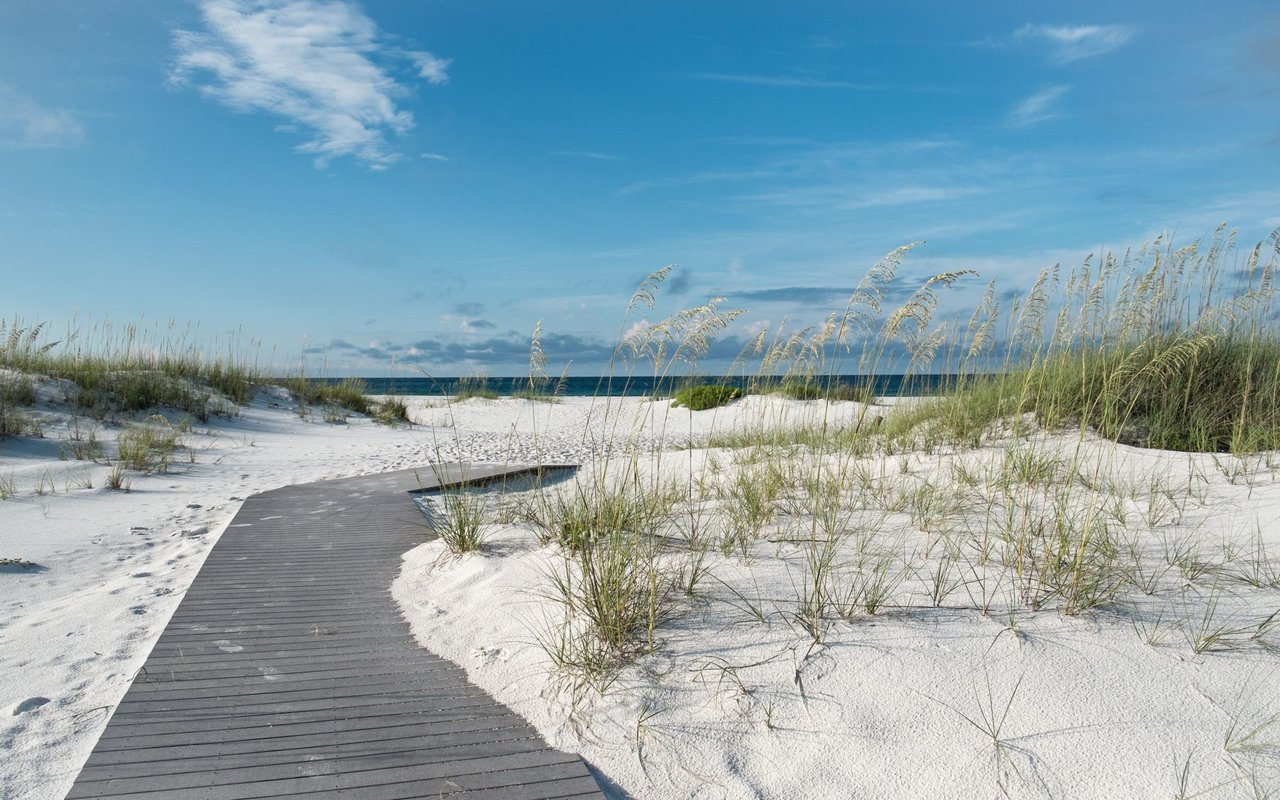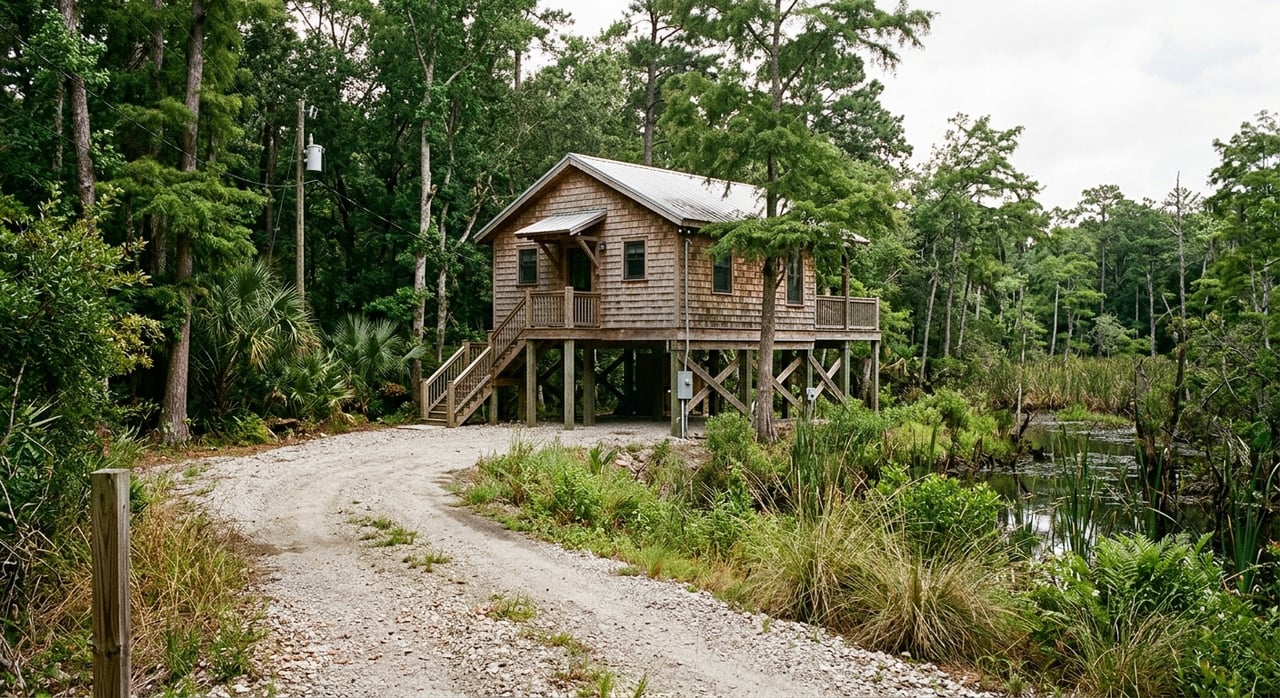
If you picture Gulf County living as all beaches and gulf views, Wewahitchka may surprise you. This part of the market is shaped more by rivers, lakes, and larger rural parcels than by walk-to-the-sand convenience. If you are thinking about buying land or riverfront property around Wewahitchka, you need to understand how access, utilities, flood risk, and county rules can affect what you can actually do with a parcel. Let’s dive in.
Why Wewahitchka Appeals to Land Buyers
Wewahitchka offers a different kind of Florida lifestyle. The area is known for the Chipola River, Dead Lakes, and nearby freshwater recreation rather than beachfront living.
For many buyers, that is the draw. You may get more space, a quieter setting, and easier access to boating, fishing, paddling, wildlife viewing, and other outdoor activities. If your goal is room to spread out and stay close to the water, Wewahitchka can be a strong fit.
Start With the Parcel, Not the Dream Plan
It is easy to fall in love with a homesite idea before confirming the basics. In Wewahitchka, the smart first step is verifying the exact parcel, legal description, and access route before you think too far ahead about building, clearing, or placing a mobile home or RV.
Gulf County’s GIS resources can help you review parcels, streets, city limits, flood zones, evacuation zones, and evacuation routes. The Gulf County Property Appraiser also maintains parcel boundary maps and current property information, which makes it easier to confirm that the land you are considering matches the listing details.
A survey can be especially helpful with vacant land. It gives you a clearer picture of boundary lines and can help you avoid problems later when you start planning access, setbacks, or improvements.
Why address assignment matters
On rural land, a parcel can look straightforward on paper but still need an official 911 address before the building process can move forward. Gulf County’s E-911 process asks for the parcel number, structure type, and location, then directs applicants to the Building Department after the address is issued.
That means address assignment is not just a paperwork detail. It can be an early step in turning vacant land into a buildable homesite.
Check road access early
Access is one of the biggest issues with rural parcels. If the lot needs a driveway connection or culvert work, Gulf County requires road evaluation and permitting for roads outside Florida DOT rights-of-way.
The county’s culvert application also asks for a construction 911 address and parcel ID. It notes a minimum of 20 feet of drivable space before the mitered ends of culverts, which is another reason to confirm access conditions before closing.
Utilities Can Vary Lot by Lot
One of the biggest misconceptions about land is assuming nearby service means your parcel has the same setup. Around Wewahitchka, utility availability can change from one property to the next.
That is why buyers should verify water service, septic feasibility, and long-term utility costs early in the process. A parcel that looks affordable upfront may require more planning and expense than expected.
Public water or private well
Gulf County’s water supply map separates the Wewahitchka Water Supply Service Area from areas served by individual wells. Before you buy, you should confirm which category applies to the parcel you want.
If public water is available, Gulf County says new service starts with an on-site visit for an estimate. After payment, installation is usually scheduled within two to four weeks, although a state permit can occasionally add time.
If the parcel will use a private well, ongoing ownership comes with more responsibility. The Florida Department of Health says private well owners are responsible for making sure their water is safe and strongly recommends annual bacteria and nitrate testing.
Septic needs its own review
Septic feasibility is just as important as water access. As of January 2, 2025, septic permitting in Gulf County is handled by the Florida Department of Environmental Protection, while Gulf County says landowners still need to confirm county ordinance and density compliance before submitting to DEP.
The county’s checklist for a new onsite sewage system requires several items, including a survey or legal description, a site drawing, a 911 address, water source locations, and at least 75 feet of separation between a well and the onsite sewage system. If a lot cannot meet those standards, your plans may need to change.
Flood and Wetlands Can Shape Your Options
With riverfront and low-lying land, flood review is not optional. It is one of the most important parts of due diligence around Wewahitchka.
Gulf County’s flood protection office maintains flood insurance rate maps, elevation certificates, letters of map amendment, historical flooding records, and related floodplain information. The county also directs buyers to its mapping system to check whether a property is in a Special Flood Hazard Area.
FEMA is the official source for flood hazard mapping. FEMA also states that flood insurance is separate from homeowners insurance and is generally required for buildings in a Special Flood Hazard Area when the loan is federally backed.
Flood zones are only part of the picture
A parcel’s limitations may go beyond the flood map. Gulf County’s comprehensive plan says development documentation should identify natural resources and site constraints such as water quality, wetlands, protected species, soils, historic resources, water and sanitary services, and traffic impacts.
The county also tracks wetlands and flood zone inventories, and wetland disturbance is regulated by the agency with jurisdiction. In practical terms, a beautiful piece of riverfront land may not offer the same usable footprint you first imagined.
Zoning and subdivision status still matter
Before assuming you can build exactly what you want, confirm the parcel’s zoning and subdivision status. Gulf County’s Planning and Development resources reference the Land Development Regulations, Comprehensive Plan, subdivision plats, RV ordinance, and floodplain ordinance.
The Building Department also notes that Gulf County has adopted the 2023 eighth edition of the Florida Building Code. Those rules can affect how land may be used and what type of construction may move forward.
Recreational Use and Residential Use Are Different
A lot that works for weekend fun may not work the same way for a permanent home. That is an important distinction in the Wewahitchka area, where many buyers are drawn to land for fishing trips, paddling, camping, or future building plans.
If you are thinking about using a parcel with an RV or camper, check county rules before you buy. Gulf County’s RV ordinance regulates the location, placement, use, and storage of recreational vehicles, so you should not assume a parcel can be used for temporary setup just because it feels remote or recreational.
If your plan is a full-time home or mobile-home homesite, ownership structure matters too. According to the Gulf County Property Appraiser, homestead exemption requires ownership of the property on which the application is made. If you own a mobile home but not the land under it, you do not qualify for the homestead exemption.
Wewahitchka’s Lifestyle Value
For the right buyer, the appeal here is easy to understand. Wewahitchka offers direct access to a quieter, freshwater-centered outdoor lifestyle that stands apart from the more beach-focused parts of Gulf County.
Land’s Landing Park provides a boat ramp with direct access to the Chipola River. Gulf County tourism also highlights Dead Lakes as a destination for kayaking, fishing, and wildlife viewing. If your idea of home includes launching a boat, paddling in the morning, or enjoying more elbow room, this area deserves a serious look.
A Smart Due Diligence Checklist
Before you close on land or riverfront property around Wewahitchka, make sure you can answer these questions:
- Is the parcel boundary, legal description, and acreage confirmed through county records and ideally a survey?
- Is the property in a flood zone, and what do the county flood office and FEMA maps show?
- Will the parcel use county water or a private well?
- If public water is available, what is the expected timeline for connection?
- Is septic feasible under current Gulf County and DEP requirements?
- Does the intended use fit county rules for RVs, mobile homes, or a full-time residence?
- Is road access already in place, or will a culvert or access permit be needed?
- Has the parcel received or qualified for a 911 address if you plan to build?
A useful way to approach the process is simple: confirm the parcel and flood zone first, then verify access and utilities, and then move into septic, survey, and permitting details. That order can save you time, money, and frustration.
How to Buy With More Confidence
Buying land feels exciting because of what the property could become. But in a market like Wewahitchka, confidence comes from understanding the details behind that potential.
When you take time to review mapping, access, water, septic, flood risk, and county land-use rules, you make better decisions from the start. That is especially important with riverfront and rural parcels, where each property can have its own opportunities and limitations.
If you are exploring land or riverfront property around Wewahitchka, working with a local team that understands Gulf County’s different submarkets can make the process feel much more manageable. When you are ready to talk through your options, connect with The Joe Real Estate for local guidance tailored to your goals.
FAQs
What makes Wewahitchka different from other Gulf County property markets?
- Wewahitchka is known more for freshwater access, rivers, lakes, and larger rural parcels than for beachfront living. The area is closely tied to the Chipola River and Dead Lakes.
What should you check first before buying land around Wewahitchka?
- Start by confirming the parcel boundaries, legal description, access route, and flood zone before making plans for building or recreational use.
How do you know if a Wewahitchka parcel has public water service?
- Gulf County’s water supply map separates the Wewahitchka Water Supply Service Area from individual well service areas, so you should verify service availability for the specific parcel.
What should you know about septic rules for Gulf County land?
- As of January 2, 2025, septic permitting is handled by the Florida Department of Environmental Protection, and Gulf County says buyers still need to verify county ordinance and density compliance before applying.
Why is flood review important for riverfront property near Wewahitchka?
- Riverfront and low-lying parcels may fall within a Special Flood Hazard Area, which can affect insurance needs and building plans. Buyers should review county flood information and official FEMA maps.
Can you use vacant land around Wewahitchka for an RV or camper?
- Maybe, but you need to check Gulf County’s RV ordinance first because the county regulates the location, placement, use, and storage of recreational vehicles.
Why does a 911 address matter when buying vacant land in Gulf County?
- A 911 address can be part of the process before construction moves forward, and Gulf County’s E-911 workflow connects address assignment with the next steps for permitting.
Does owning a mobile home without the land qualify for homestead exemption in Gulf County?
- No. The Gulf County Property Appraiser says homestead exemption requires ownership of the property on which the application is made.