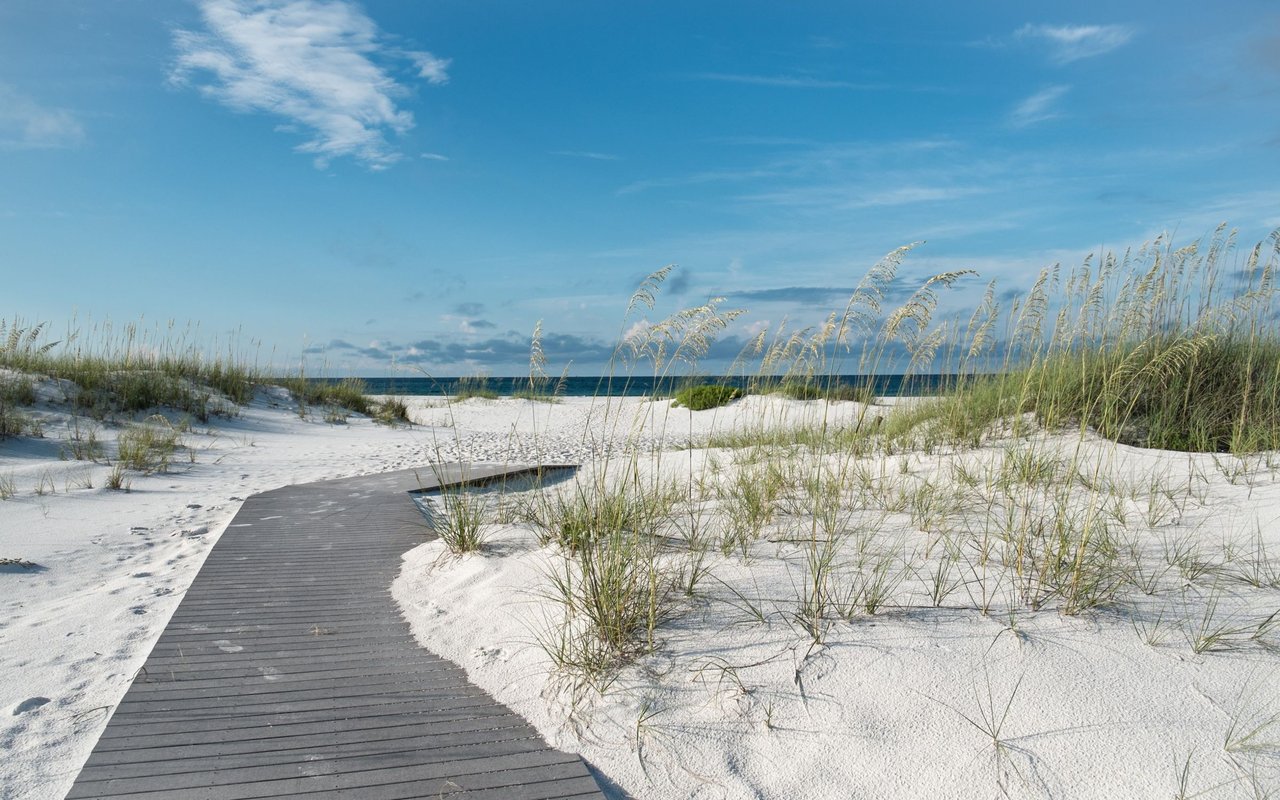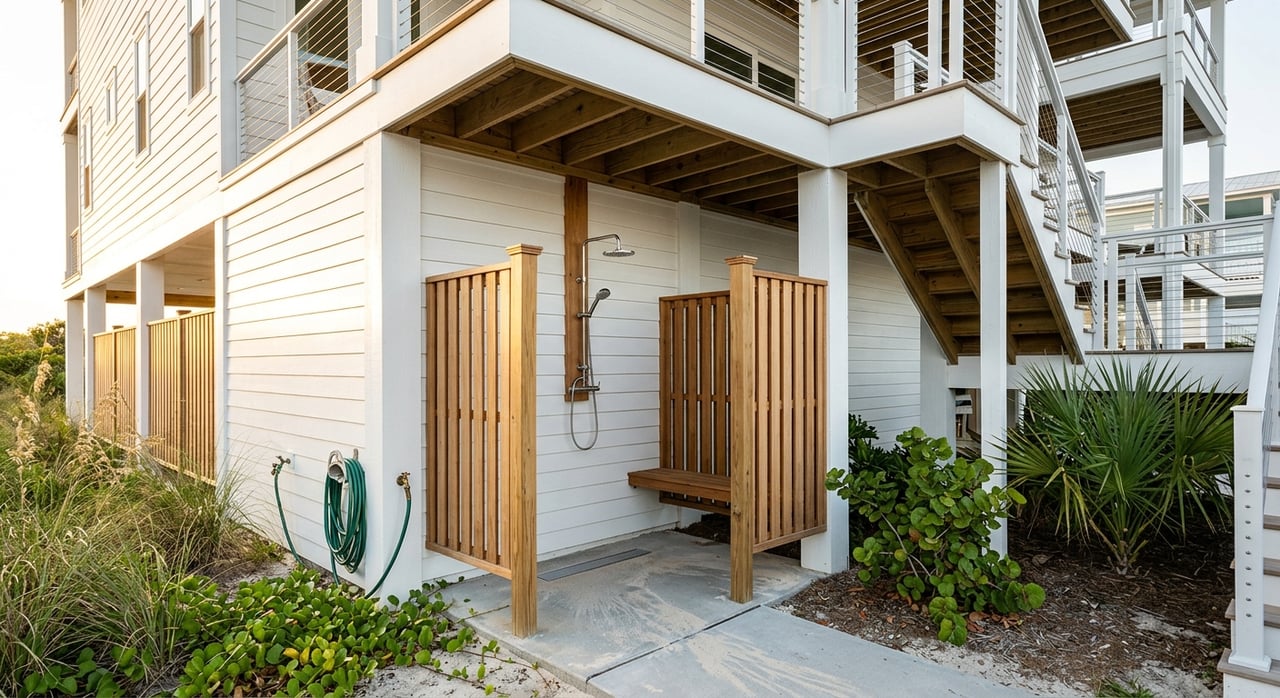
If you are thinking about building a vacation rental on Cape San Blas, the big question is not just can you build here. It is whether the lot, the house plan, the permits, and the launch plan all work together for a successful rental. That can feel like a lot to sort through, especially in a coastal market with flood rules, construction review, and tax requirements. The good news is that when you understand the process from the start, you can make smarter decisions and avoid expensive surprises. Let’s dive in.
Why Cape San Blas draws rental interest
Cape San Blas is more than a place to own coastal property. It is also part of a visitor-driven market in Gulf County, where tourism is one of the county’s strongest economic drivers, according to Gulf County tourism resources. That matters because a vacation rental build should be evaluated as both a real estate project and a hospitality business.
The local tourism framework also supports that demand. Visit Gulf highlights Cape San Blas as a destination, and Gulf County’s Tourist Development Council says tax revenue from overnight stays helps support beaches, public facilities, events, public safety, and tourism marketing. The council also notes support for 20 public beach access points, nearly 20 boat launches, and 30 miles of beaches.
For you, that means lot selection is not just about views or price. It is also about how the site, design, and future operations will fit a coastal visitor market.
Start with lot due diligence
Before you go under contract on a lot, make sure you understand what can actually be built there. Gulf County’s Planning and Development Department points property owners to land development regulations, the comprehensive plan, subdivision plats, floodplain resources, and coastal construction review tools.
In practical terms, you want to confirm a few basics early. Can the parcel support the home size you want? Is access in place? Are there drainage issues? Will the lot support the utilities your project needs? Those answers can shape both your construction budget and your rental strategy.
Check coastal construction limits
On sandy beach parcels, coastal review is a major part of due diligence. The Florida Department of Environmental Protection says the Coastal Construction Control Line, or CCCL, marks the landward limit of its coastal jurisdiction, and unless exempt, construction and excavation seaward of that line require a DEP permit.
Gulf County’s planning framework also notes that high-intensity development is limited in the Coastal High Hazard Area and that special siting and design considerations apply in coastal areas. For a vacation rental build, that can affect placement, density, design choices, and project timing.
Treat flood risk like a core budget item
Flood exposure should be one of the first items you review, not something you check after you buy the lot. Gulf County’s Flood Protection resources explain that standard homeowners insurance does not cover rising water and that flood insurance has a 30-day waiting period.
The county also provides flood maps, elevation certificate resources, and information on Special Flood Hazard Areas and coastal high hazard zones. You can use the county map tools to review a parcel, and the county says site visits may be available to discuss flooding, drainage, and sewer concerns.
For a rental project, flood risk can influence more than insurance. It can affect design, carrying costs, lender review, and long-term maintenance planning.
Confirm utilities and access timing
A buildable lot still needs a realistic path to service connections and site access. Gulf County’s Water Department says it performs an on-site visit before estimating a new water connection, and installation is typically scheduled 2 to 4 weeks after payment.
Road or driveway access may require its own review. The county’s culvert process says roads outside FDOT rights-of-way need an evaluation and permit. If septic will be required, Gulf County says the Florida Department of Environmental Protection now issues septic permits in the county, and the landowner must verify county ordinance and density requirements before applying.
Bring the building department in early
Once you have a lot that appears workable, the next step is to line up your permit path early. Gulf County’s Building Department handles plan review, permits, inspections, and code enforcement, and the county states that it has adopted the Florida Building Code 2023 eighth edition.
That makes early coordination important. If you wait until plans are nearly complete to ask questions, you may run into delays or redesign costs that could have been avoided. In a coastal market, that kind of early review matters even more because flood, site, and access issues can overlap.
Know the rental licensing requirements
A finished house is not automatically ready for guests. In Florida, the state may require a vacation rental license, and Gulf County also has a local short-term rental licensing process.
According to the Florida Department of Business and Professional Regulation, a vacation rental is generally a transient public lodging establishment. If an entire unit is rented more than three times in a calendar year for periods of less than 30 days, or if it is advertised as regularly rented that way, DBPR licensing is generally required.
DBPR issues a vacation rental dwelling license for single-family homes, townhouses, duplexes, triplexes, quadruplexes, and similar dwellings. The agency says online applications are usually processed in 1 to 2 business days, but that does not mean your home is instantly guest-ready.
What must be done before opening
DBPR also requires an on-site inspection before the license is issued. Its inspection checklist points to readiness items such as garbage storage, fire safety equipment, and plumbing backflow protection.
For new construction, a certificate of occupancy or local sign-off must be in place before that inspection. In other words, you should think about licensing and inspections while the home is still being built, not after the furniture arrives.
County licensing matters too
Gulf County also operates a short-term rental business license portal. The county says owners and property managers can create and manage applications electronically, and the county FAQ defines a short-term rental as a legally licensed dwelling unit for overnight stays on transient rentals of 6 months or less.
For many owners, the practical takeaway is simple. You may need both state and county steps completed before your first booking should be accepted.
Design for guests and durability
When you build from the ground up, your design choices can shape rental performance and ongoing maintenance. In a coastal setting, some of the smartest features are often the most practical ones.
Based on Gulf County’s flood, coastal, and inspection resources, useful priorities often include elevated construction where required, durable materials, simple circulation, convenient storage, and easy outdoor access. Those choices can help support guest turnover, simplify upkeep, and make the home easier to operate over time.
You should also think about the launch phase while the home is still on paper. A layout that works well for guests, owners, cleaners, and maintenance vendors can save time and reduce friction once bookings begin.
Set up taxes before launch
Construction is only part of the project. Your launch plan also needs to include tax registration, reporting, and monthly filing deadlines.
The Florida Department of Revenue says transient rentals are subject to the 6% state sales tax plus any applicable discretionary sales surtax, and local option transient rental taxes may also apply. In Gulf County, the Tourist Development Tax is 5%, and the county FAQ says it is due monthly no later than the 20th of the following month. Even zero returns are required for inactive months.
That surprises many first-time owners. If you are building for short-term rental use, tax setup should be part of your opening checklist, not something you handle after the first guest checks out.
Do Airbnb and Vrbo collect county tax?
Not automatically for Gulf County’s local tourist tax. Gulf County’s tax FAQ states that Airbnb and Vrbo do not collect or remit the county’s Tourist Development Tax on behalf of owners.
The county also explains that a property manager may collect and remit under its tax ID, but the owner remains responsible if the tax is not handled correctly. Florida DOR further states that anyone renting transient accommodations must register to collect, report, and remit tax.
This is one of the biggest reasons a vacation rental launch is both a real estate project and an operations project. You need the build, licensing, and tax setup to work together.
Think in stages from lot to launch
The clearest way to approach a Cape San Blas vacation rental build is as a staged process. First, confirm the lot works for your goals. Then clear coastal, flood, utility, and access questions. After that, move through permits, inspections, certificate of occupancy, licensing, and tax registration before the first booking goes live.
That kind of planning can help you protect your budget and your timeline. It can also help you choose land more strategically, especially when you are comparing Cape San Blas lots that may look similar at first glance but differ in build complexity.
If you are exploring lots or weighing whether a new build makes more sense than a resale rental, working with a local team that understands coastal land, neighborhood-level market detail, and the vacation-rental process can make the path much clearer. When you are ready to talk through Cape San Blas opportunities, connect with The Joe Real Estate.
FAQs
What should you check before buying a Cape San Blas lot for a vacation rental?
- Review land use rules, subdivision plats, flood exposure, drainage, access, utility availability, and whether the parcel may trigger coastal construction review through Gulf County planning and DEP resources.
Does a Cape San Blas vacation rental build need CCCL review?
- Some coastal lots may. The Florida DEP says construction or excavation seaward of the Coastal Construction Control Line generally requires a permit unless exempt.
Is flood insurance important for a vacation rental in Gulf County?
- Yes. Gulf County says standard homeowners insurance does not cover rising water, and flood insurance has a 30-day waiting period.
Do you need a state license for a Florida vacation rental home?
- In many cases, yes. DBPR says licensing is generally required when an entire unit is rented more than three times a year for periods of less than 30 days, or when it is advertised as regularly rented that way.
Do you need a county license for a Gulf County short-term rental?
- Yes, Gulf County operates a short-term rental business license portal for legally licensed dwellings used for transient overnight stays.
What has to happen before the first guest arrives at a new vacation rental?
- Typically, you need construction completed, a certificate of occupancy or local sign-off, the required DBPR inspection, and your applicable local licensing and tax setup in place.
What taxes apply to a Gulf County vacation rental?
- Florida transient rentals are subject to the 6% state sales tax plus any applicable surtax, and Gulf County also applies a 5% Tourist Development Tax.
Do Airbnb and Vrbo pay Gulf County tourist tax for owners?
- No. Gulf County states that Airbnb and Vrbo do not collect or remit the county’s Tourist Development Tax on the owner’s behalf.